Power-to-X at St Andrews: From Infrastructure to Innovation

With construction of the first phase of the University’s Power-to-X (P2X) Facility approaching completion, the project is entering a new stage of development. As the facility moves towards operation, it will provide researchers and industry partners with opportunities to explore how renewable electricity can be converted into sustainable fuels, chemicals, and other low-carbon products.
At the same time, the wider conversation around hydrogen is becoming more focused. While early hydrogen economy ambitions positioned hydrogen as a potential solution across a broad range of sectors, evidence increasingly points to its greatest value in hard-to-abate industries where direct electrification is either impractical or uneconomic. In these areas, hydrogen has the potential to play an important role in reducing emissions and supporting the transition to a low-carbon economy.
This evolving understanding has reinforced the importance of the University of St Andrews’ P2X facility. The facility provides a unique environment in which researchers can explore how renewable energy can be converted into hydrogen, sustainable fuels, low-carbon chemicals, and other industrial products. In doing so, it supports research that addresses some of the most significant challenges associated with industrial decarbonisation and sustainable manufacturing.
Why Power-to-X matters
Hydrogen remains important because many industrial processes require more than electricity alone. Several sectors continue to rely on hydrogen as a raw material, while others require high-temperature processes that are difficult to electrify. As countries work towards net-zero targets, green hydrogen produced using renewable electricity offers a route to reducing emissions while maintaining essential industrial activity.
The value of hydrogen extends beyond its use as a fuel. It can also serve as a building block for sustainable chemicals, synthetic fuels, and other products needed in a low-carbon future. This is where the concept of Power-to-X becomes particularly important. Power-to-X technologies use renewable electricity to produce hydrogen and then transform that hydrogen into a wide range of fuels, chemicals, and industrial products.

Figure 1. Hydrogen acts as a key intermediary within Power-to-X systems, linking renewable electricity with the production of sustainable fuels, chemicals, and industrial products.
The P2X Facility has been designed to support research across these interconnected pathways. Rather than focusing on a single technology, it enables researchers and industry to explore how renewable energy, hydrogen, carbon dioxide, and industrial processes can be integrated within future sustainable manufacturing systems. Future phases of development are intended to incorporate carbon capture technologies, allowing the facility to utilise carbon dioxide from local biogenic sources, including the University’s biomass energy centre and nearby distillery operations. This captured carbon can then be combined with renewable hydrogen to support research into sustainable fuels, chemicals, and other low-carbon products.
This capability has been made possible through investment from a range of partners, including the University of St Andrews, the Wolfson Foundation, EPSRC, and industry collaborators. Together, these investments have helped create a unique research and innovation environment that brings operational infrastructure, advanced research facilities, and industry engagement together within a single location.
From research to real-world impact
A key role of the P2X Facility is to provide a bridge between fundamental research and practical application. Many of the technologies needed to reduce industrial emissions must be proven at increasingly larger scales before they can be adopted commercially. Facilities such as P2X provide an environment where new processes can be tested, integrated, and refined under realistic operating conditions.
The facility combines hydrogen production, carbon utilisation, and chemical synthesis capabilities within a single research environment. This allows researchers and industry partners to investigate how renewable electricity, hydrogen, and carbon dioxide can be used together to create the fuels, chemicals, and materials needed for a low-carbon future.
Research at the facility builds on internationally recognised expertise across several areas of energy and chemical sciences. Professor John Irvine’s work focuses on energy materials, electrochemical technologies, fuel cells, and hydrogen production. These technologies underpin the efficient generation and utilisation of green hydrogen and provide the foundations for many future Power-to-X systems.
Complementing this work, Dr Paul Webb’s research focuses on converting renewable hydrogen and sustainable sources of carbon into fuels, chemicals, and other low-carbon products. Current areas of interest include synthetic aviation fuels, higher alcohols, ammonia, olefins, and carbonate-based chemicals, alongside the process integration challenges associated with future low-carbon manufacturing systems.
These research activities explore how renewable electricity can be transformed into practical, scalable solutions for industrial decarbonisation, helping to accelerate the development of sustainable fuels, chemicals, and manufacturing processes.
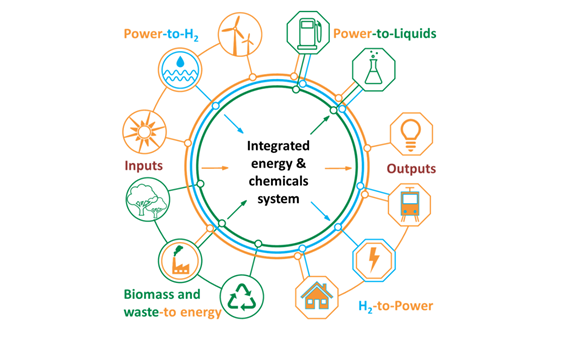
Figure 2. Examples of products and processes being explored through Power-to-X research, including sustainable fuels, chemicals, and carbon utilisation pathways.
Supporting the innovation journey
Delivering new low-carbon technologies requires more than laboratory research alone. Many of the solutions needed to decarbonise industry must be tested, integrated, and demonstrated at increasingly larger scales before they can be adopted commercially.
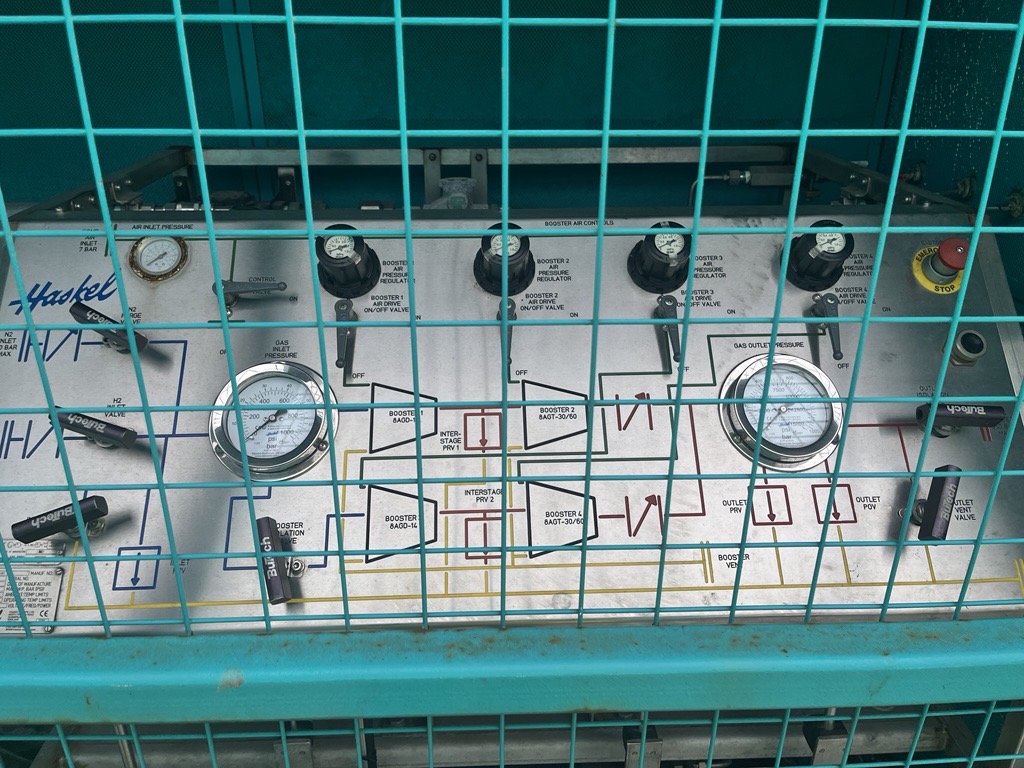
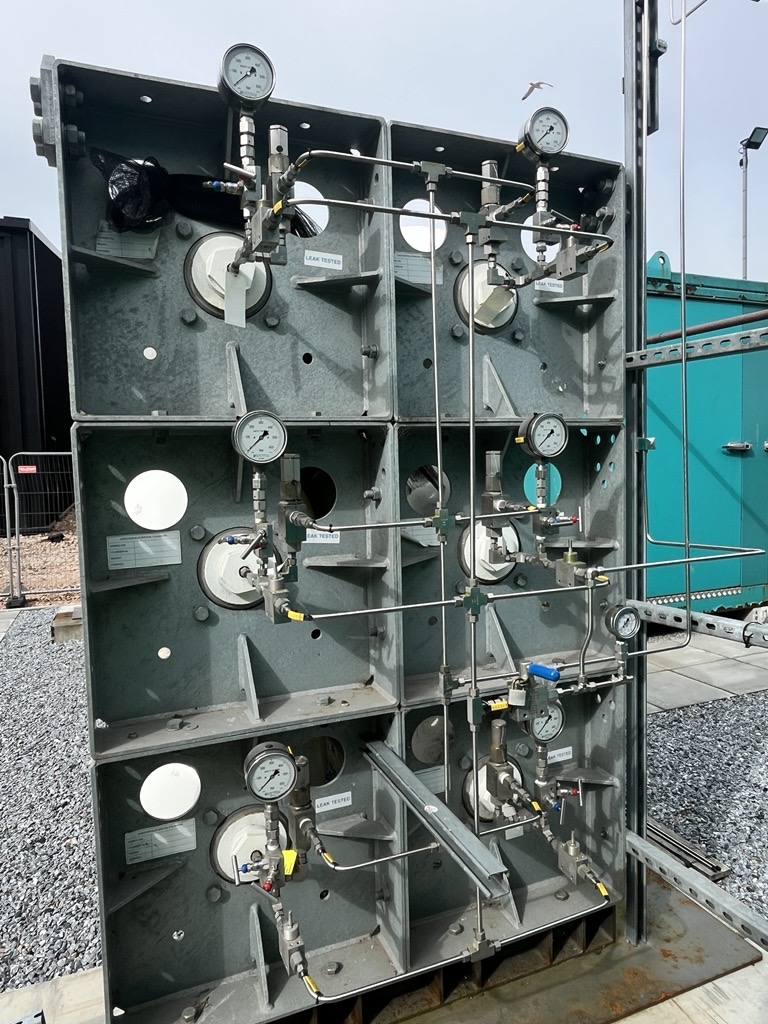
The facility has been designed to support this journey through three complementary elements. The Hydrogen Living Laboratory provides infrastructure for hydrogen production, storage, and refuelling, creating a real-world environment in which hydrogen technologies can be operated and demonstrated. Alongside this, dedicated wet laboratory facilities support research into sustainable fuels, chemicals, and carbon utilisation pathways. Completing the facility is a test hall housing specialist research infrastructure funded through EPSRC, including equipment for catalyst discovery, integrated electrolysis and chemical synthesis, and advanced analysis of reaction products.
Bringing these capabilities together in one place creates opportunities that would be difficult to achieve in a conventional laboratory setting. Researchers and industry partners can investigate how renewable electricity, hydrogen, carbon dioxide, and chemical processes interact across an entire value chain, from fundamental scientific discovery through to technology validation and demonstration. For many SMEs and technology developers, access to this type of infrastructure would be prohibitively expensive, creating a significant barrier to innovation. The P2X Facility provides a shared environment where new ideas can be tested, refined, and demonstrated without the need for substantial upfront investment, helping to accelerate the journey from concept to deployment and supporting the development of future low-carbon technologies.

Looking ahead
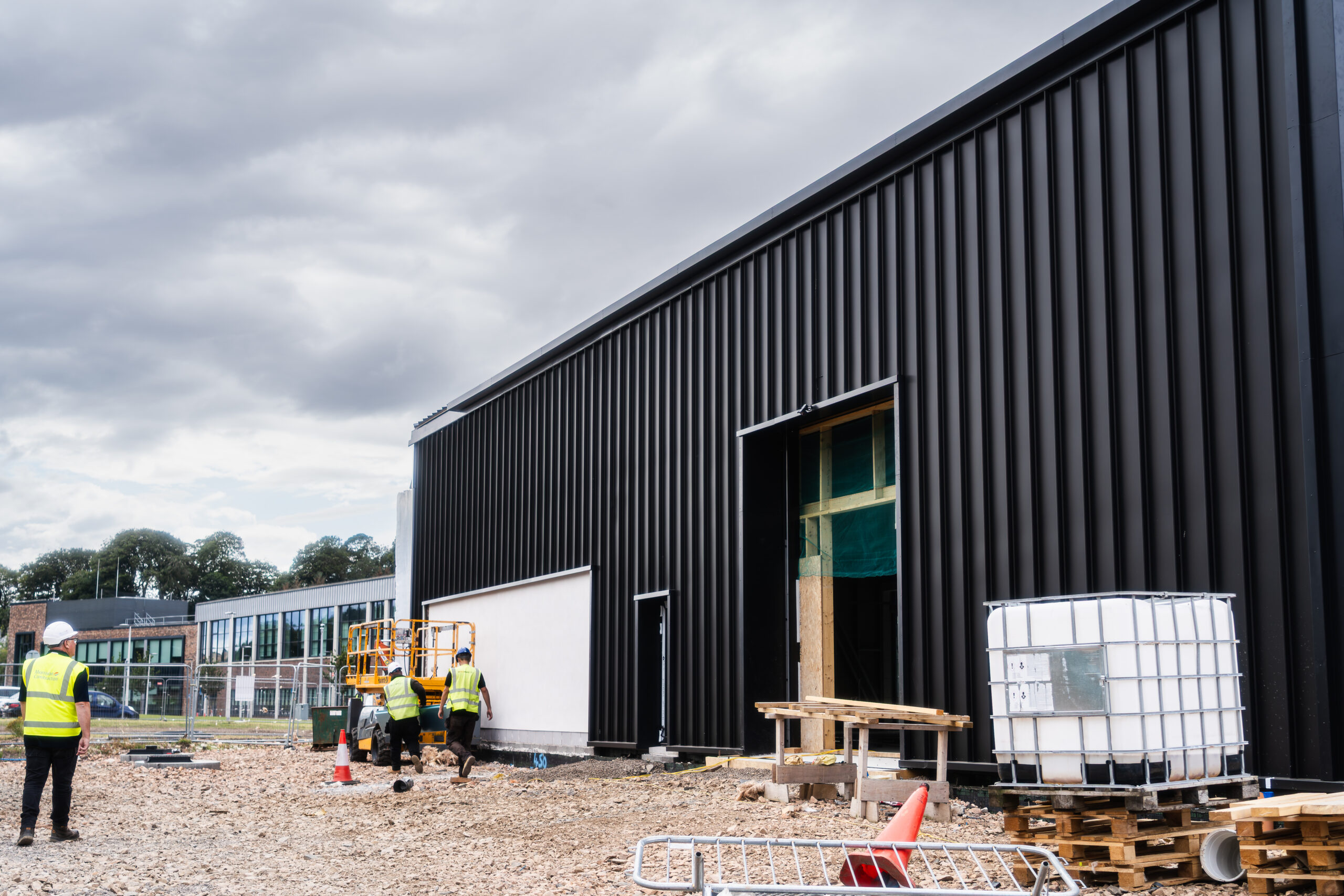
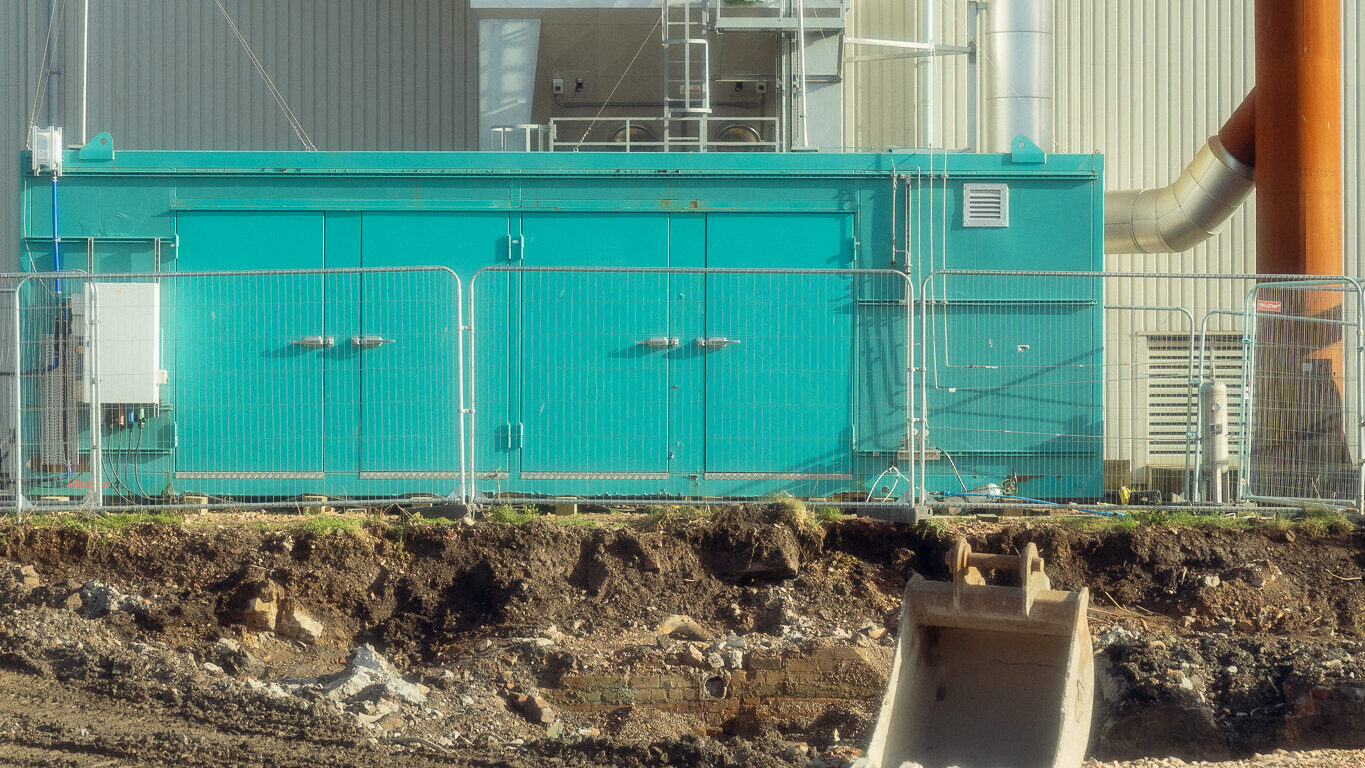
With the first phase of construction nearing completion, the P2X Facility is entering a period of commissioning ahead of welcoming researchers, industry partners, and collaborators. Attention is now turning to the next stage of development, with planned future phases including carbon capture systems that will enable the utilisation of carbon dioxide from local biogenic sources, alongside a business scaling yard where companies can co-locate and develop emerging technologies.
These developments will build on the facility’s existing research, hydrogen, and chemical synthesis capabilities, creating an environment where new technologies can be discovered, tested, demonstrated, and scaled in collaboration with industry partners. By supporting the progression of technologies from research through to demonstration, the facility forms part of the wider innovation pipeline needed to underpin emerging low-carbon industrial opportunities in Scotland, including those associated with the transition and redevelopment of Grangemouth.